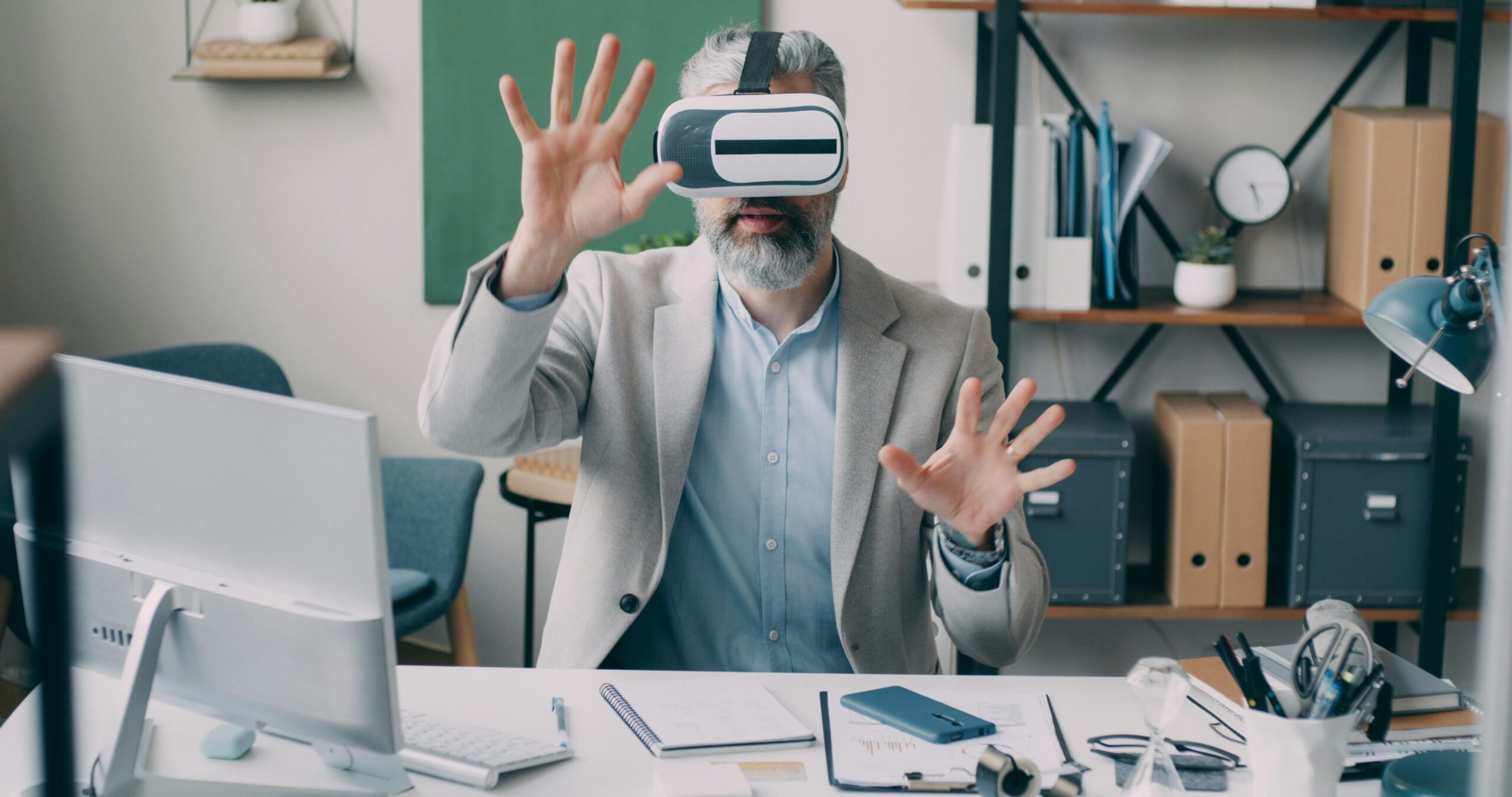
Design thinking is evolving as immersive technology becomes part of daily creative work. Virtual reality now influences how designers imagine, test, and refine ideas. Instead of working only on flat screens, designers step inside their concepts. As a result, virtual reality design thinking reshapes creative habits, workflows, and professional mindsets.
Designers across fields now use immersive tools to explore ideas earlier and deeper. Because of this shift, creative decisions feel more informed and more human. Virtual reality no longer feels experimental. Instead, it becomes a practical thinking environment for modern design work.
Virtual Reality Design Thinking and the Shift From Screens to Spaces
Virtual reality design thinking changes how designers interact with ideas. Traditional tools limit thinking to screens and fixed views. However, immersive environments enable designers to navigate concepts in real time. As a result, spatial awareness becomes part of the thinking process.
Designers can now experience scale, proportion, and depth instantly. As a result, design decisions rely less on guesswork. Instead, they rely on direct experience. This shift helps designers think more holistically about form and function.
How Immersive Design Tools Influence Creative Confidence
Immersive design tools reduce uncertainty during early design stages. Designers can test ideas without building physical prototypes. Therefore, experimentation feels safer and faster. Confidence grows because feedback appears immediately.
Moreover, designers gain freedom to explore bold ideas. Since mistakes cost less, creativity expands. As a result, designers think less about limits and more about possibilities. Virtual environments encourage exploration over hesitation.
Spatial Design Thinking and Better Problem Awareness
Spatial design thinking improves designers’ understanding of problems. In virtual reality, issues appear at the human scale. As a result, flaws are easier to notice. Designers can walk through spaces and naturally identify friction points.
This approach changes how problems are framed. Instead of abstract concerns, designers face real experiences. Consequently, solutions feel more grounded and user-focused. Designers begin thinking from inside the problem, not outside it.
Virtual Prototyping for Designers and Faster Iteration Cycles
Virtual prototyping for designers speeds up iteration. Changes happen instantly without rebuilding models. Therefore, feedback loops shorten significantly. Designers test multiple versions in a single session.
This speed reshapes creative thinking. Rather than protecting a single idea, designers explore multiple options. As a result, thinking becomes more flexible and less attached. Virtual reality supports a continuous improvement mindset.
How VR in Creative Workflows Encourages User Empathy
VR in creative workflows strengthens empathy. Designers experience projects from the user’s perspective. As a result, emotional responses guide decisions. User comfort and clarity become visible, not theoretical.
Empathy-driven thinking leads to better outcomes. Designers notice how spaces feel, not just how they look. Consequently, design choices reflect real human needs. Virtual reality makes empathy part of daily design thinking.
Collaborative Design in Virtual Reality and Shared Understanding
Collaborative design in virtual reality changes team thinking. Teams meet inside shared virtual spaces. Therefore, everyone sees the same design simultaneously. Misunderstandings decrease as clarity increases.
This shared experience aligns creative vision faster. Designers discuss ideas while standing inside them. As a result, feedback feels more precise and constructive. Collaboration becomes experiential instead of descriptive.
Redefining Design Intuition Through Immersive Experiences
Design intuition evolves with immersive experiences. Designers rely less on assumptions and more on direct interaction. As a result, intuition is informed by lived experience. Virtual reality sharpens creative instincts.
Over time, designers trust their feelings about environments. This sensory feedback influences judgment naturally. Consequently, design thinking becomes more embodied. Virtual reality trains intuition through experience, not abstraction.
How Virtual Reality Reduces Cognitive Load for Designers
Virtual reality reduces cognitive load by externalizing complex ideas. Designers no longer imagine outcomes mentally. Instead, they see and experience them directly. Therefore, mental energy shifts toward refinement and creativity.
This clarity supports better focus. Designers spend less time translating ideas into visuals. As a result, thinking feels lighter and more fluid. Virtual reality frees cognitive space for deeper creative insight.
The Long-Term Impact of Virtual Reality Design Thinking
Virtual reality design thinking reshapes professional identity. Designers become experience builders, not just visual creators. As a result, thinking extends beyond aesthetics. Function, emotion, and interaction are equally important.
Over time, this mindset influences education and leadership. Designers trained in an immersive thinking approach to problems differently. Consequently, virtual reality changes not only tools but also values. It redefines how designers think about responsibility and impact.
Why Virtual Reality Is Reshaping the Designer’s Mindset
Virtual reality changes how designers think, feel, and decide. It transforms design from observation to participation. As a result, creative thinking becomes more empathetic, confident, and precise. Virtual reality design thinking supports a deeper understanding at every stage.
As immersive tools mature, their influence will continue growing. Designers who embrace this shift gain a strategic advantage. More importantly, they gain clearer insight into human experience. Virtual reality does not replace creativity. Instead, it expands designers’ thinking.