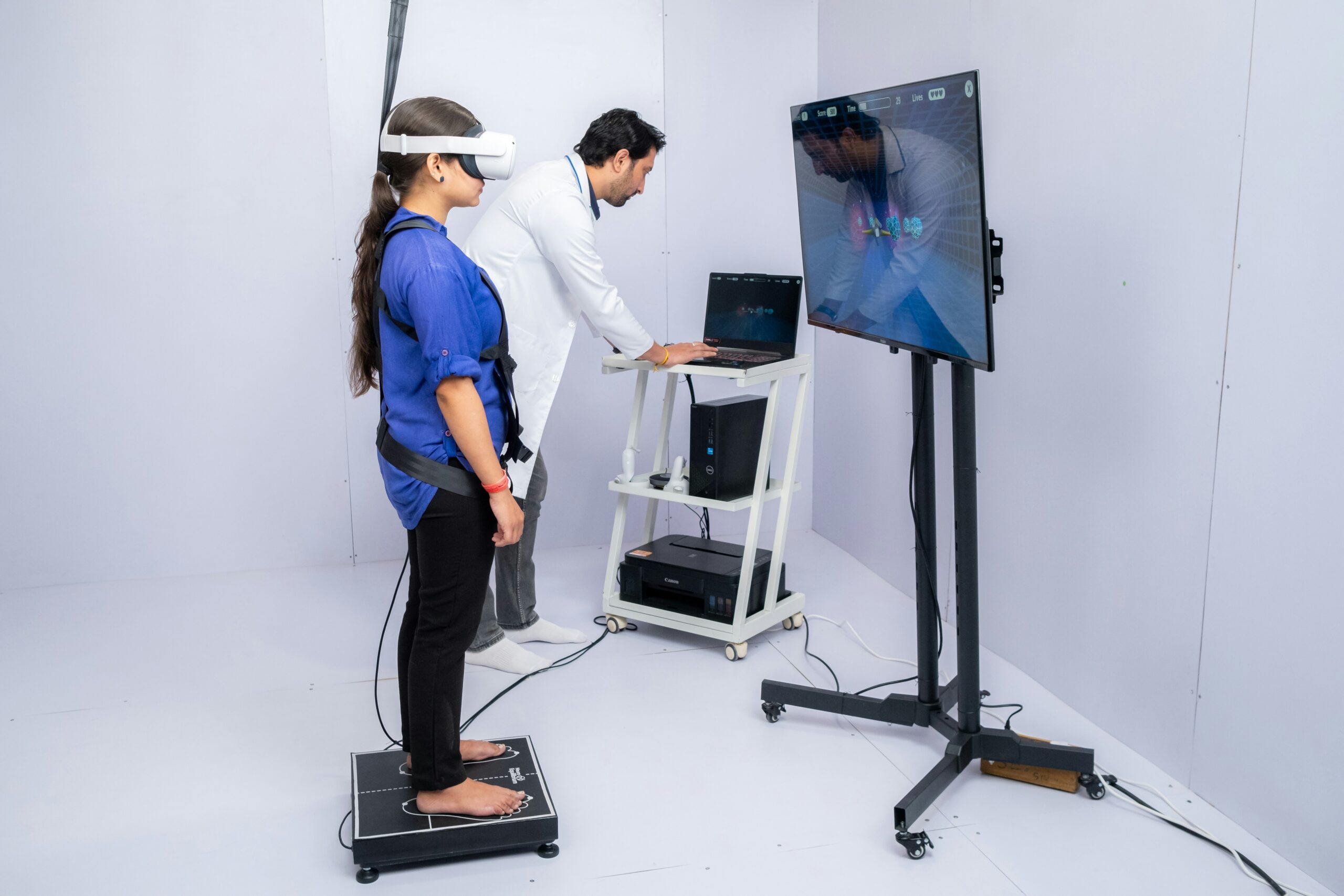
Virtual reality, often referred to as VR, is rapidly becoming one of the most innovative technologies in modern healthcare. By creating immersive, computer-generated environments, VR allows users to interact with realistic simulations that mimic real-world medical scenarios. What once seemed like science fiction is now an essential tool in hospitals, clinics, and medical schools across the United States. From surgical planning to patient therapy, virtual reality is reshaping how care is delivered and experienced.
Healthcare providers are increasingly turning to VR to enhance accuracy, improve patient outcomes, and reduce risks. The technology provides a safe, controlled environment where complex procedures can be practiced and perfected. As hardware becomes more affordable and software more advanced, virtual reality is no longer limited to research institutions. It is becoming a practical, scalable solution that supports both patient care and professional development.
Enhancing Surgical Precision and Preoperative Planning
Virtual reality is playing a critical role in improving surgical precision. Surgeons can use VR systems to explore three-dimensional models of a patient’s anatomy before entering the operating room. These models are often created from CT scans or MRI images, enabling doctors to visualize complex structures in detail. This preparation helps identify potential complications and refine surgical strategies before the first incision.
In addition, VR simulations allow surgeons to rehearse procedures in a risk-free setting. By practicing in an immersive virtual environment, they can develop muscle memory and improve hand-eye coordination. This is particularly valuable for intricate procedures such as neurosurgery or cardiac surgery, where precision is vital. As a result, virtual reality contributes to shorter operation times, fewer complications, and better patient recovery outcomes.
Transforming Medical Education and Training
Medical education has traditionally relied on textbooks, lectures, and limited hands-on experience. Virtual reality is changing this model by offering interactive learning experiences that replicate real clinical situations. Students can step into a virtual hospital room, assess a patient’s symptoms, and make diagnostic decisions without the pressure of working with a real patient. This immersive approach enhances understanding and retention of complex medical concepts.
Furthermore, VR allows trainees to practice rare or high-risk scenarios they might not encounter frequently during clinical rotations. For example, they can simulate emergencies such as cardiac arrest or severe trauma cases. By repeating these simulations, students build confidence and competence. Virtual reality training bridges the gap between theory and practice, preparing future healthcare professionals for real-world challenges.
Improving Pain Management and Patient Therapy
One of the most impactful uses of virtual reality in healthcare is pain management. VR has been shown to reduce acute and chronic pain by distracting patients with engaging virtual environments. During procedures such as wound care or physical therapy, patients can immerse themselves in calming landscapes or interactive experiences. This distraction reduces the perception of pain and anxiety, often decreasing the need for medication.
Virtual reality is also being used in mental health therapy. Patients dealing with anxiety disorders, post-traumatic stress disorder, or phobias can undergo controlled exposure therapy in a virtual setting. Therapists can gradually introduce triggers in a safe and supportive environment. This method allows patients to confront fears at their own pace, leading to measurable improvements in emotional well-being.
Supporting Rehabilitation and Physical Therapy
Rehabilitation programs are benefiting significantly from VR integration. Traditional physical therapy exercises can sometimes feel repetitive and discouraging for patients. Virtual reality transforms these exercises into interactive tasks or games, making therapy more engaging and motivating. Patients recovering from strokes or orthopedic injuries can practice movements in a virtual setting that provides real-time feedback.
In addition, VR systems can track progress with precision. Sensors capture movement data, enabling therapists to monitor improvements and adjust treatment plans accordingly. This data-driven approach ensures personalized rehabilitation programs tailored to each patient’s needs. By making therapy more enjoyable and measurable, virtual reality increases patient adherence and accelerates recovery.
Expanding Access Through Telemedicine and Remote Care
Virtual reality is also enhancing telemedicine services, especially for patients in rural or underserved areas. Through VR platforms, healthcare providers can conduct remote consultations in immersive virtual clinics. Patients and doctors can interact in a shared digital space that feels more personal than a traditional video call. This approach improves communication and patient engagement.
Moreover, remote VR solutions enable specialists to guide local medical teams during complex procedures. By viewing the same virtual models and data in real time, experts can offer insights without being physically present. This capability reduces travel costs and ensures that high-quality care is accessible regardless of geographic location. Virtual reality is helping bridge gaps in healthcare access across the country.
Addressing Challenges and Ethical Considerations
Despite its many advantages, virtual reality in healthcare comes with challenges. The cost of advanced VR systems and software development can be high, especially for smaller healthcare facilities. Integration with existing medical records and technologies requires careful planning and technical expertise. Ensuring data security and patient privacy is another important consideration when using digital platforms.
There are also ethical questions surrounding the use of immersive technology in sensitive medical situations. Healthcare providers must ensure that VR content is accurate, evidence-based, and culturally appropriate. In addition, training programs must maintain high standards to prevent overreliance on simulations without adequate real-world experience. Addressing these concerns is essential to the responsible, sustainable growth of virtual reality in healthcare.
The Future of Virtual Reality in Patient Care
The future of virtual reality in healthcare looks promising as technology continues to evolve. Advances in artificial intelligence and haptic feedback are expected to make virtual simulations even more realistic. These improvements will further enhance surgical training, diagnostics, and patient therapy. As research expands, new applications are likely to emerge in areas such as chronic disease management and preventive care.
Healthcare organizations that adopt VR strategically will be better positioned to deliver innovative, patient-centered care. By combining immersive technology with clinical expertise, providers can improve outcomes, increase efficiency, and enhance patient satisfaction. Virtual reality is not just a trend; it represents a fundamental shift in how healthcare is practiced and taught in the United States.