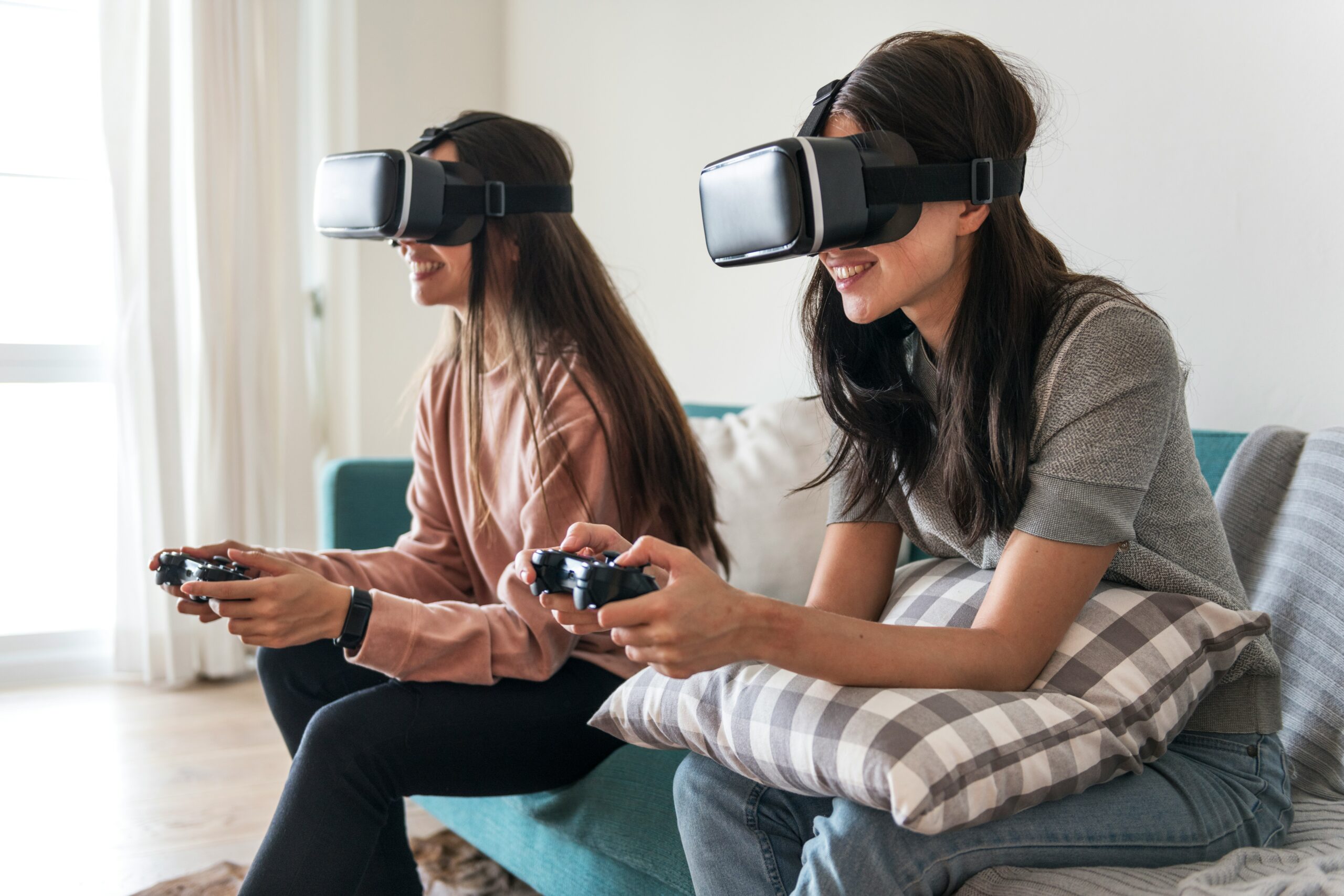
Virtual reality no longer feels like a sci-fi promise. It feels like a living room upgrade, a new kind of theme park, and a fresh stage for storytellers. Players step into worlds instead of staring at them. Creators design moments that respond to your gaze, your hands, and your choices. Because of that shift, immersive VR now changes how people play, watch, learn, and connect.
This change starts with a simple idea. When your body joins the experience, your mind reacts faster and feels more. You do not just guide a character. You become the character. You do not just view a scene. You stand inside it. That sense of presence drives the most significant leap in modern entertainment, and it keeps pushing developers, studios, and platforms toward new formats.
Immersive VR also reshapes what audiences expect. People want agency. They want closeness. They want worlds that feel tangible and personal. As headsets get lighter and more transparent, and tracking gets smoother, immersive VR moves from niche to the norm. It also brings new habits. Friends meet in virtual spaces. Families share interactive movies. Fans attend concerts without traveling. All of that momentum points toward a future where immersive VR becomes a core medium, not a novelty.
The Immersive VR Difference in Modern Gaming
Gaming led the charge because games already thrive on interaction. Immersive VR takes that interaction and pulls it into your whole field of view. Your hands become controllers, yet they also become tools, weapons, paint brushes, and instruments. You reach, grab, throw, and dodge. You make decisions with both movement and buttons. As a result, game design now leans into physicality and intuition.
Developers also build for comfort and flow. They tune locomotion so players can move without nausea. They design levels that guide you naturally. They add visual anchors and smooth motion options. Because players vary, studios offer settings that accommodate different body types and preferences. That focus improves quality and expands the audience.
Immersive VR also changes difficulty and skill. Aiming depends on your stance and steadiness. Timing depends on your hands. Coordination matters more, yet it can also feel fairer. When you miss, you understand why. When you win, you feel it in your shoulders and heartbeat. That clarity creates a strong feedback loop, so players stay engaged.
Social Play Becomes a Place, Not a Menu
Online multiplayer used to mean lobbies and voice chat. Immersive VR turns social play into shared space. Friends stand beside each other. They gesture and react in real time. They read body language. They feel closer, even across distance.
That shift changes communities. Players host meetups and game nights in virtual worlds. They build clubs that feel like real hangouts. They watch trailers together and then jump into a match. Because of that, immersive VR fosters a sense of belonging that flat screens struggle to match.
Creators also benefit. Streamers and performers build shows inside VR spaces. They interact with audiences through avatars. They stage comedy, music, and interactive events. Since these spaces can adapt quickly, creators can test ideas and iterate fast. That speed keeps the culture lively and experimental.
Storytelling Evolves Into Presence and Participation
Traditional entertainment runs on editing, framing, and camera control. Immersive VR changes the language of storytelling because the viewer controls the gaze. Directors cannot rely on the same tricks. Instead, they craft attention through light, sound, motion, and spatial cues.
Writers and designers also rethink pacing. They create scenes that feel natural when you stand inside them. They let you explore, yet they still guide you toward meaning. They use interactive choices without overwhelming the viewer. When it works, the experience feels intimate and unforgettable.
Immersive VR also supports empathy-driven stories. When you stand near a character, you notice subtle details. When you hear a whisper behind you, you turn instinctively. When you occupy a space that represents another person’s life, you absorb the mood differently. That does not guarantee empathy, but it does give creators a powerful tool.
New Forms of Entertainment Rise Fast
Immersive VR does not replace movies, shows, or games. Instead, it adds new categories that blend them. Interactive films let you move through scenes and influence outcomes. Virtual concerts place you near the stage with friends. Live sports experiences offer courtside angles and social viewing rooms. Art galleries let you walk through exhibitions that break physical rules.
Theme parks and location-based venues also use immersive VR to expand their offerings. They add mixed experiences that combine physical sets with virtual overlays. They deliver adventures that would cost too much in real space. They rotate content often, which keeps visitors coming back.
Sports and fitness also gain a boost. Rhythm games and training apps turn workouts into play. People return because the sessions feel fun, not forced. Since immersive VR tracks motion, it can coach form and encourage progress. That feedback supports health while still feeling like entertainment.
Hardware and Design Push the Medium Forward
Immersive VR improves because hardware keeps evolving. Displays grow sharper. Lenses reduce distortion. Headsets balance weight better. Tracking works in more rooms with less setup. Controllers feel more natural, and hand tracking improves every year.
Audio also matters. Spatial sound tells your brain where things exist. A footstep behind you triggers a turn. A distant roar signals danger. As a result, sound design now plays a starring role in immersive VR. Developers treat audio as navigation, mood, and storytelling all at once.
Haptics add another layer. When a controller vibrates with texture and impact, actions feel grounded. When gloves or vests add more feedback, presence increases again. Even minor improvements can make a big difference because the brain looks for consistency.
The Business Side of Immersive VR Entertainment
As immersive VR grows, business models evolve. Studios sell premium games while also offering subscriptions and live content. Brands sponsor events on social platforms. Musicians sell virtual merch. Filmmakers release episodic experiences. Education companies license training simulations. All of these paths support a larger ecosystem.
Indie creators also find opportunity. Small teams can build bold ideas because VR audiences love novelty. Tools and engines support rapid prototyping. Marketplaces help creators reach users without the need for traditional gatekeepers. When a concept hits, word spreads fast.
However, the industry also faces pressure. Developers must optimize performance because comfort depends on smooth frame rates. They must design accessibility features because audiences vary widely. They must respect privacy because headsets can capture sensitive data. When companies handle these responsibilities well, trust grows and adoption follows.
Challenges That Shape the Next Wave
Immersive VR still faces hurdles, yet progress continues. Comfort remains a key issue for some players, especially with fast motion. Developers respond with better locomotion options and more innovative designs. Hardware makers respond with improved tracking and refresh rates. Teamwork reduces friction.
Content discovery also needs work. New users can feel lost when they first enter VR stores. Curation and recommendations must improve. Social sharing helps, though platforms need to make it easy and safe.
Space also matters. Not everyone has a large play area. Many games now support seated, standing, and room-scale play. That flexibility helps more people enjoy immersive VR without having to rearrange their lives.
The Future of Entertainment Looks More Interactive
Immersive VR points toward entertainment that responds to you. Viewers will not just watch characters. They will influence scenes, explore worlds, and share moments with friends in real time. Studios will blend VR with other formats so that a story can live as a show, a game, and a virtual experience at once.
Creators will also build worlds that persist. Fans will return to the exact virtual locations, much like people return to their favorite social spaces online. Events will happen inside those worlds, and communities will shape what comes next.
Immersive VR will also connect to mixed reality and spatial computing. As devices blend digital objects with real rooms, entertainment will spread across your home. Games will use your walls and tables as part of their level design. Stories will unfold in your kitchen, then shift to a fantasy landscape. That blend will make the line between screen and space feel thinner.
The most significant change will come from expectations. Once people feel actual presence, they will crave it again. They will want entertainment that treats them as participants, not spectators. Immersive VR already proves that idea, and the future will build on it.