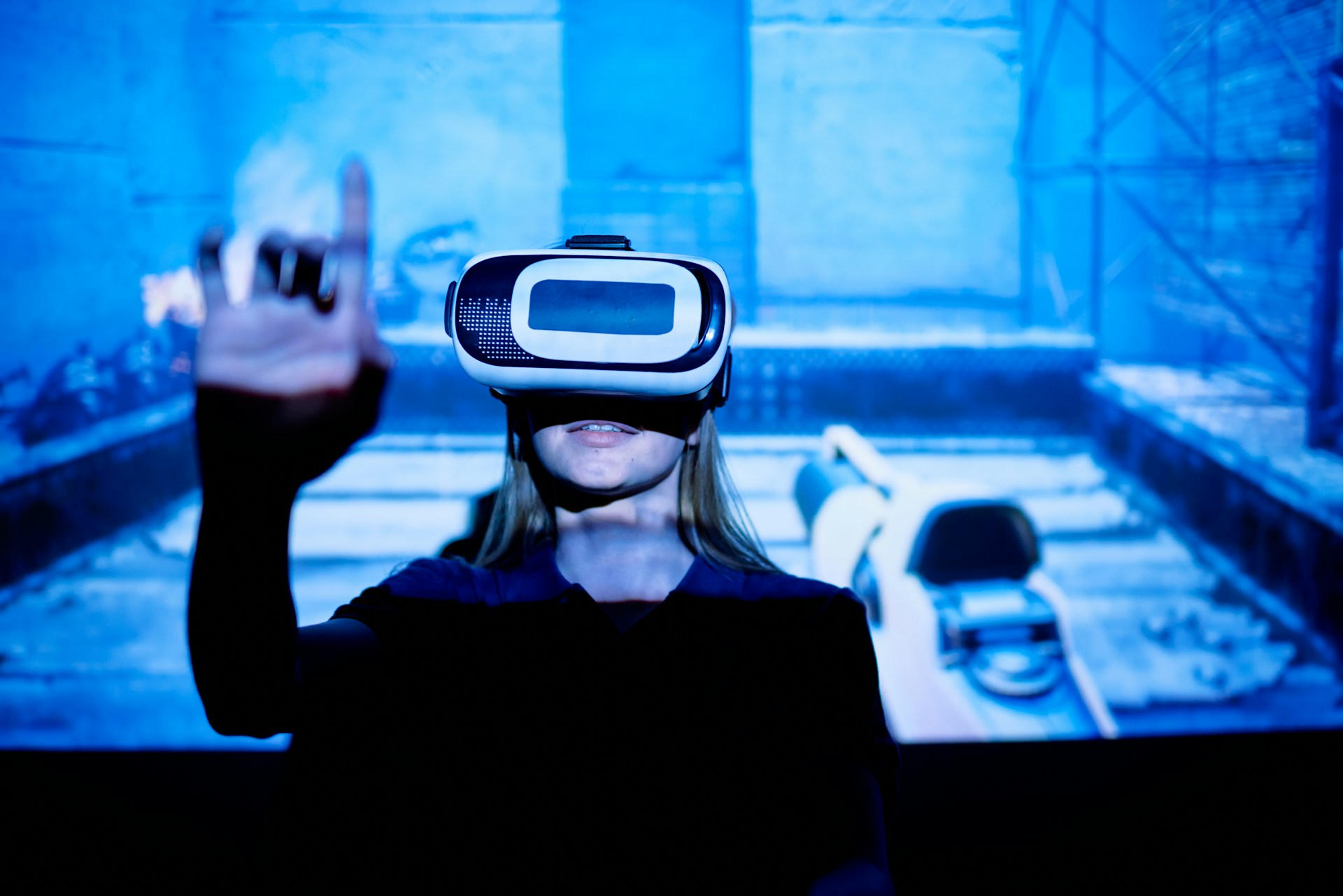
As technology continues to evolve, the way people learn and grow professionally is changing right along with it. Classrooms, training rooms, and job sites no longer define where skill building happens. Instead, digital environments are opening new doors. One of the most exciting developments is the metaverse, a shared virtual space where people can learn by doing rather than just watching.
Skill development in the metaverse brings training to life. Rather than reading instructions or viewing videos, learners step into immersive experiences that mirror real situations. Because of this shift, training becomes more engaging, practical, and effective for people at every stage of their careers.
A New Era of Hands-On Learning
Learning works best when people actively participate. In the metaverse, learners interact with tools, environments, and other people in real time. As a result, training feels more like real life and less like a lesson.
For example, a construction trainee can walk through a virtual job site and practice safety procedures. At the same time, a retail employee can learn customer service skills by interacting with virtual shoppers. These experiences allow learners to make decisions, see outcomes, and improve through repetition. Therefore, knowledge sticks longer and feels more relevant.
Safe Practice Without Real-World Risk
Mistakes are part of learning, yet they can be costly or dangerous in real life. Virtual training environments remove this risk. Because everything happens digitally, learners can practice complex or high-risk tasks without fear.
For instance, aviation trainees can simulate emergency landings. Healthcare workers can practice procedures before treating real patients. Since errors do not cause harm, learners feel more comfortable experimenting and improving. As confidence grows, performance improves when it matters most.
Faster Skill Building Through Repetition
Repetition plays a significant role in mastering any skill. However, real-world practice often has limits due to time, cost, or availability. The metaverse removes many of these barriers.
Learners can repeat tasks as often as needed, anytime and anywhere. If someone struggles with a specific step, they can focus on it until they feel confident. Because of this flexibility, training becomes more personalized. In turn, people progress faster and feel more motivated to continue learning.
Real-Time Feedback That Drives Improvement
Feedback helps learners understand what they are doing right and where they need to improve. In immersive environments, feedback happens instantly. Systems can track movements, choices, and timing to provide clear guidance.
For example, a virtual sales training program can analyze tone of voice and body language. Meanwhile, a technical simulation can highlight procedural errors. Since feedback arrives right away, learners adjust quickly. Over time, this immediate response leads to better performance and stronger skills.
Soft Skills Grow Through Social Interaction
Technical skills matter, but soft skills matter just as much. Communication, teamwork, and leadership often determine success. The metaverse supports these skills by allowing people to interact naturally in shared spaces.
Team members can collaborate on projects, solve problems, and lead meetings in virtual environments. Because these interactions feel more personal than video calls, people engage in genuine social behaviors. As a result, learners develop confidence in speaking, listening, and working with others.
Preparing for Jobs That Do Not Yet Exist
The job market continues to change, and many future roles do not yet exist. Therefore, adaptability and continuous learning matter more than ever. The metaverse supports this mindset by offering dynamic learning experiences.
As new tools and industries emerge, training programs can update quickly. Learners stay current by practicing relevant skills in evolving environments. In this way, immersive learning helps people remain prepared for the future, even as industries shift.
Workforce Training Gets a Major Upgrade
Companies are already using immersive environments to train employees. Onboarding, safety instruction, and leadership development benefit significantly from this approach. Instead of long presentations, employees learn by doing.
For example, a new hire can explore a virtual workplace and complete guided tasks. Managers can practice difficult conversations in realistic scenarios. Since training feels engaging and practical, employees stay more focused. Consequently, organizations see better results and higher retention rates.
Education Becomes More Inclusive
Access to quality education remains a challenge for many people. However, immersive learning can help bridge this gap. Virtual environments allow learners from different locations to access the same training experiences.
Students who cannot travel or attend in-person classes can still gain hands-on experience. Additionally, learners with different learning styles benefit from visual and interactive methods. As a result, education becomes more flexible and inclusive, supporting a wider range of learners.
Overcoming Challenges in Virtual Training
While immersive learning offers many benefits, challenges remain. Equipment costs, technical issues, and learning curves can slow adoption. However, technology continues to improve, and access is becoming easier.
As devices become more affordable and platforms more user-friendly, barriers will decrease. In addition, organizations are learning how to design effective programs. With thoughtful planning, virtual training can deliver strong results without overwhelming users.
The Road Ahead for Skill Development
The future of learning looks immersive, interactive, and human-centered. Skill development in the metaverse supports hands-on practice, real-time feedback, and social connection. As a result, learners feel more engaged and confident.
Rather than replacing traditional methods, immersive training enhances them. When combined with expert guidance and real-world experience, it creates powerful learning opportunities. As technology evolves, this approach will play an increasingly important role in how people train for excellence.
Looking Ahead With Confidence and Curiosity
Learning has always been about growth and possibility. Today, the metaverse expands those possibilities by turning training into an experience rather than a task. People learn faster, feel more confident, and apply skills more effectively.
Skill development in the metaverse is not just a trend. It represents a meaningful shift in how individuals and organizations prepare for success. By embracing immersive learning, we move closer to a future where training feels natural, engaging, and truly impactful.