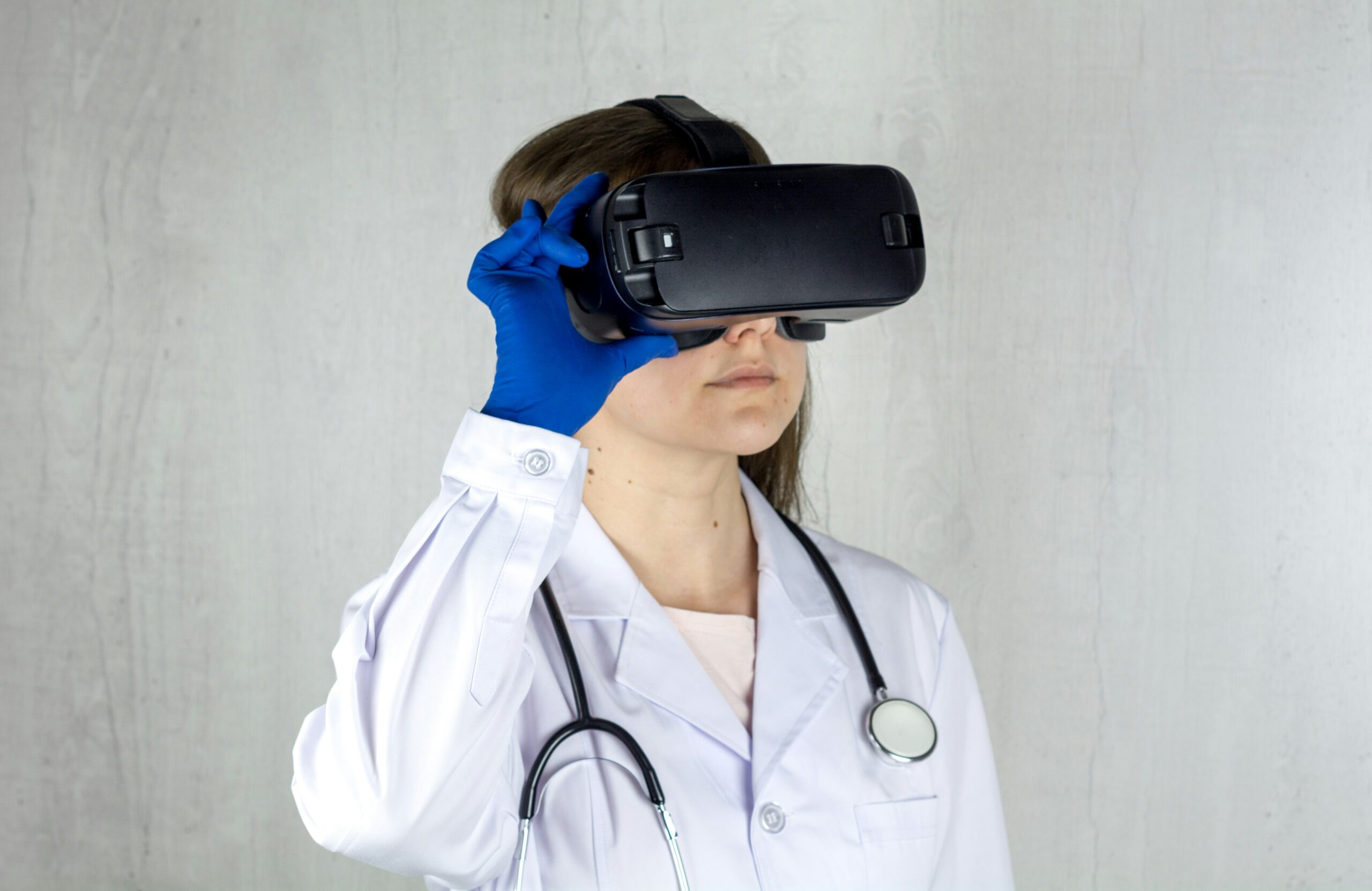
Mental health care continues to evolve as new technologies shape how professionals deliver support and treatment. Among these innovations, virtual reality in mental health care stands out as a powerful and promising solution. It allows therapists to create immersive environments that help patients manage stress, anxiety, trauma, and other conditions in ways that feel real and engaging.
As awareness of mental health grows, people seek better and more accessible care. Virtual reality offers a modern approach that blends science, technology, and therapy. It helps bridge gaps in traditional treatment while also improving patient engagement. Because of this, many experts now view virtual reality in mental health care as a key part of the future of therapy.
Understanding Virtual Reality in Mental Health Care
Virtual reality in mental health care uses digital environments to support therapy and emotional well-being. Patients wear headsets that place them in simulated settings, such as peaceful landscapes or real-life scenarios. These environments feel real, so the brain responds naturally.
As a result, therapists can guide patients through controlled experiences that target specific issues. For example, someone with anxiety can face triggering situations in a safe space. This approach allows gradual exposure and helps reduce fear over time. In addition, it supports learning through experience rather than solely through imagination.
How Virtual Reality Enhances Therapy Effectiveness
Virtual reality improves therapy by fostering active participation. Patients do not just talk about their feelings. Instead, they experience situations and respond in real time. This process makes therapy more engaging and practical.
Moreover, immersive experiences help the brain form new patterns. When patients practice coping strategies in virtual settings, they build confidence. Over time, these skills transfer to real-life situations. Therefore, virtual reality in mental health care strengthens both emotional awareness and behavioral change.
Applications in Anxiety and Depression Treatment
Anxiety and depression affect millions of people worldwide. Virtual reality in mental health care offers new tools to address these conditions effectively. For anxiety, therapists use exposure therapy within virtual environments. Patients face fears step by step, which reduces avoidance and builds resilience.
At the same time, virtual reality supports depression treatment by encouraging positive engagement. Patients can explore uplifting environments and complete guided activities. These experiences improve mood and help break negative thinking patterns. Consequently, virtual reality enhances existing treatment methods.
Supporting Trauma and PTSD Recovery
Trauma and post-traumatic stress disorder require careful and structured treatment. Virtual reality in mental health care offers a safe way to revisit difficult experiences. Therapists control the level of exposure, which helps prevent overwhelming reactions.
In addition, patients learn coping techniques while facing triggers in virtual settings. This combination supports emotional processing and reduces the intensity of traumatic memories. Over time, individuals gain control over their responses. Therefore, virtual reality plays a vital role in trauma recovery.
Improving Patient Engagement and Accessibility
Patient engagement often determines the success of therapy. Virtual reality in mental health care increases interest and motivation. Because the experience feels interactive, patients stay focused and involved in their treatment.
Furthermore, virtual reality expands access to care. People in remote areas can receive therapy without traveling long distances. This convenience reduces barriers and encourages more individuals to seek help. As technology becomes more affordable, access will continue to improve.
Personalization and Adaptive Treatment
Every mental health journey differs, so personalized care remains essential. Virtual reality in mental health care enables therapists to tailor experiences to individual needs. They can adjust environments, difficulty levels, and scenarios to match patient progress.
In addition, adaptive systems respond to user behavior in real time. This flexibility ensures that therapy remains effective and relevant. Patients receive support tailored to their unique challenges. As a result, treatment becomes more precise and impactful.
Challenges and Ethical Considerations
Despite its benefits, virtual reality in mental health care presents challenges. Equipment costs and training requirements can limit adoption. Not all clinics have the resources to implement this technology, which affects availability.
Ethical concerns also play an important role. Therapists must protect patient data and ensure privacy. In addition, they must monitor sessions carefully to prevent distress. Responsible use remains essential to maintain trust and safety in treatment.
The Future of Virtual Reality in Mental Health Care
The future of virtual reality in mental health care looks promising. As technology advances, systems will become more realistic and affordable. This progress will increase adoption across healthcare settings.
Moreover, integration with artificial intelligence and biofeedback will enhance treatment. These tools can create personalized experiences that adapt instantly to patient needs. Therefore, virtual reality will continue to transform mental health care and improve outcomes for many individuals.
Virtual reality in mental health care is changing how therapy works. It provides immersive, engaging, and personalized experiences that support recovery and well-being. While challenges remain, the benefits continue to grow as technology evolves.
As more professionals adopt this approach, mental health care will become more accessible and effective. Virtual reality does not replace traditional therapy, but it strengthens it. Ultimately, it represents a new era in mental health support where innovation meets compassion.