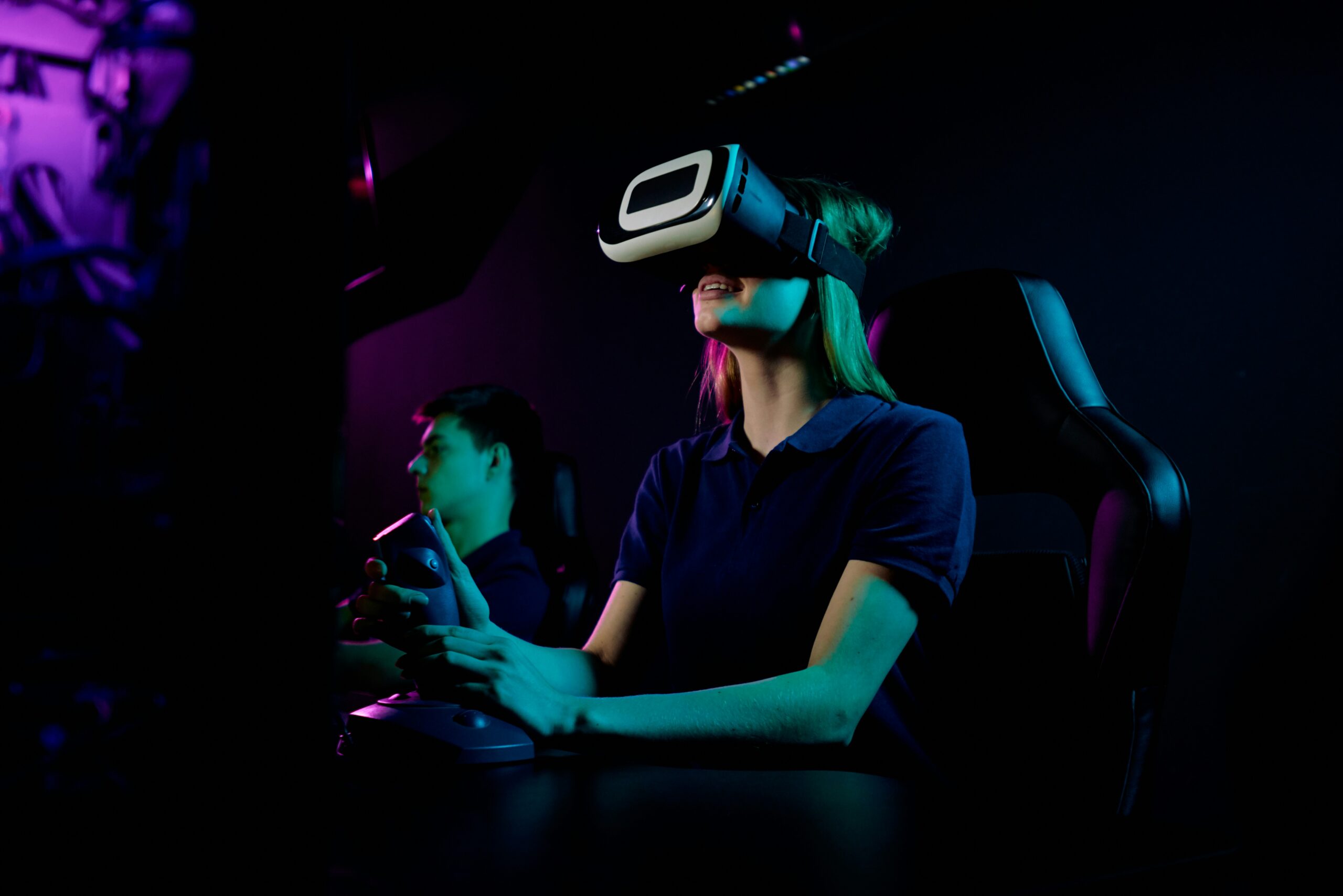
Virtual reality is revolutionizing the gaming industry in powerful ways, marking a significant step in gaming evolution by changing how players experience digital worlds. Instead of staring at a flat screen, gamers now step directly into rich environments filled with motion, depth, and sound. This shift creates a level of immersion that older systems cannot match. Because VR stimulates natural human senses, players feel more connected to game characters, storylines, and interactive elements. This higher level of realism keeps people engaged longer and encourages them to explore new adventures without hesitation. The entire gaming landscape grows more dynamic as developers push technology forward.
The Rise of VR in Modern Gaming
The rise of VR in modern gaming shows how quickly technology can change the way people play. Early VR systems were bulky and limited, yet they inspired the imagination. Over time, devices became lighter, screens became sharper, and sensors became more accurate. These improvements opened the door for developers to design games that feel alive. Players can now turn their heads, move their bodies, and interact with environments as if they are physically present inside the game. As a result, the gap between imagination and reality continues to shrink, making VR more appealing to both new and experienced gamers.
Because VR adoption grows each year, major studios and indie developers invest more time and creativity into building immersive experiences. This momentum encourages fresh ideas, deeper storylines, and advanced gameplay mechanics that would not work on traditional screens. Gamers respond to these innovations with excitement, and many say that VR offers the most memorable experiences they have ever had. The industry recognizes this demand, and companies work hard to expand libraries, improve hardware, and innovate future tools. With this unstoppable push forward, virtual reality is revolutionizing the gaming industry faster than anyone expected.
Immersive Gameplay That Feels Real
Immersive gameplay stands at the heart of why virtual reality is revolutionizing the gaming industry. When players slip on a VR headset, they enter a world full of depth, motion, and sound that moves with them. They naturally look around, interact with objects, and sense danger or excitement in their surroundings. This form of immersion creates emotional reactions that traditional gaming cannot match. Players become part of the adventure rather than just observers. The freedom to explore virtual landscapes, solve challenges, and experience action firsthand creates a thrilling connection that feels almost lifelike.
As developers refine VR techniques, the sense of presence becomes even stronger. Realistic lighting, spatial audio, and responsive environments make every moment feel dynamic. Players often forget where they are because the virtual world feels so convincing. This level of immersion transforms storytelling and gameplay, opening the door to experiences once thought impossible. As VR continues to evolve, more gamers seek out these captivating adventures, driving the industry to build bigger and more imaginative worlds. The ability to blend technology with human senses ensures that VR remains one of the most groundbreaking advancements in entertainment.
Natural Interactions and Real-Time Controls
Natural interactions help VR stand out from other gaming technologies. Instead of pressing buttons, players use their hands, arms, and body movements to interact with the world around them. They grab tools, climb walls, swing swords, and solve puzzles through physical motion. This real-time control system feels intuitive because it mirrors how people move in everyday life. The connection between movement and response boosts confidence and creates a smoother learning curve for beginners. Experienced gamers also enjoy the freedom to act without restrictions, which increases the excitement and energy of gameplay.
Because VR tracks motion with precision, developers design games that encourage exploration and creativity. Every movement shapes the experience, whether players dodge incoming attacks or manipulate objects in complex ways. As hardware continues to improve, these interactions grow even more accurate and satisfying. This natural form of gameplay helps people stay engaged for longer and reduces frustration caused by confusing controls. It also opens the door to new genres and styles of games that thrive on physical expression. This direct control system remains one of the strongest reasons virtual reality is revolutionizing the gaming industry.
Social Interaction in VR Worlds
Social interaction becomes far more meaningful in VR gaming because players feel present with each other in shared digital spaces. Traditional multiplayer games use text or voice chat, which limits communication. However, VR allows players to stand face-to-face, gesture naturally, and respond with full-body movements. These interactions create deeper connections and more authentic experiences. Friends who live in different countries can meet inside a virtual world, explore new environments together, and enjoy activities that feel almost real. This sense of presence adds emotional weight to interactions and keeps communities active and engaged.
As VR platforms expand, social gaming becomes more diverse and creative. People attend concerts, join competitions, build virtual homes, and participate in group challenges. These activities encourage teamwork and strengthen friendships. Developers continue to design spaces where players can communicate naturally and express themselves through customizable avatars. Because these environments invite creativity and collaboration, they redefine what social gaming can be. The ability to blend entertainment, communication, and virtual presence demonstrates that VR has changed how people interact online, shaping the future of digital communities.
Creative Freedom for Game Developers
VR technology gives developers more creative freedom than any previous gaming platform. Instead of designing for a flat screen, they build entire worlds that wrap around the player. They experiment with lighting, sound, movement, and physics in ways that traditional systems cannot support. This creative freedom opens the door to bold storytelling and innovative game mechanics. Developers craft experiences where players can explore secret paths, discover hidden objects, and connect with characters on a deeper level. The flexibility of VR encourages experimentation, and as a result, new genres continue to emerge.
Because VR supports natural movement, developers can bring creative ideas to life in unique ways. Players can shrink to the size of an insect, soar above mountains, or teleport across galaxies—all within a single game. This freedom sparks imagination and encourages designers to challenge expectations. As VR hardware advances, these virtual worlds grow more detailed and interactive. Developers embrace these possibilities and continually push boundaries to create unforgettable experiences. This creative evolution reinforces why virtual reality is revolutionizing the gaming industry and shaping the future of entertainment.