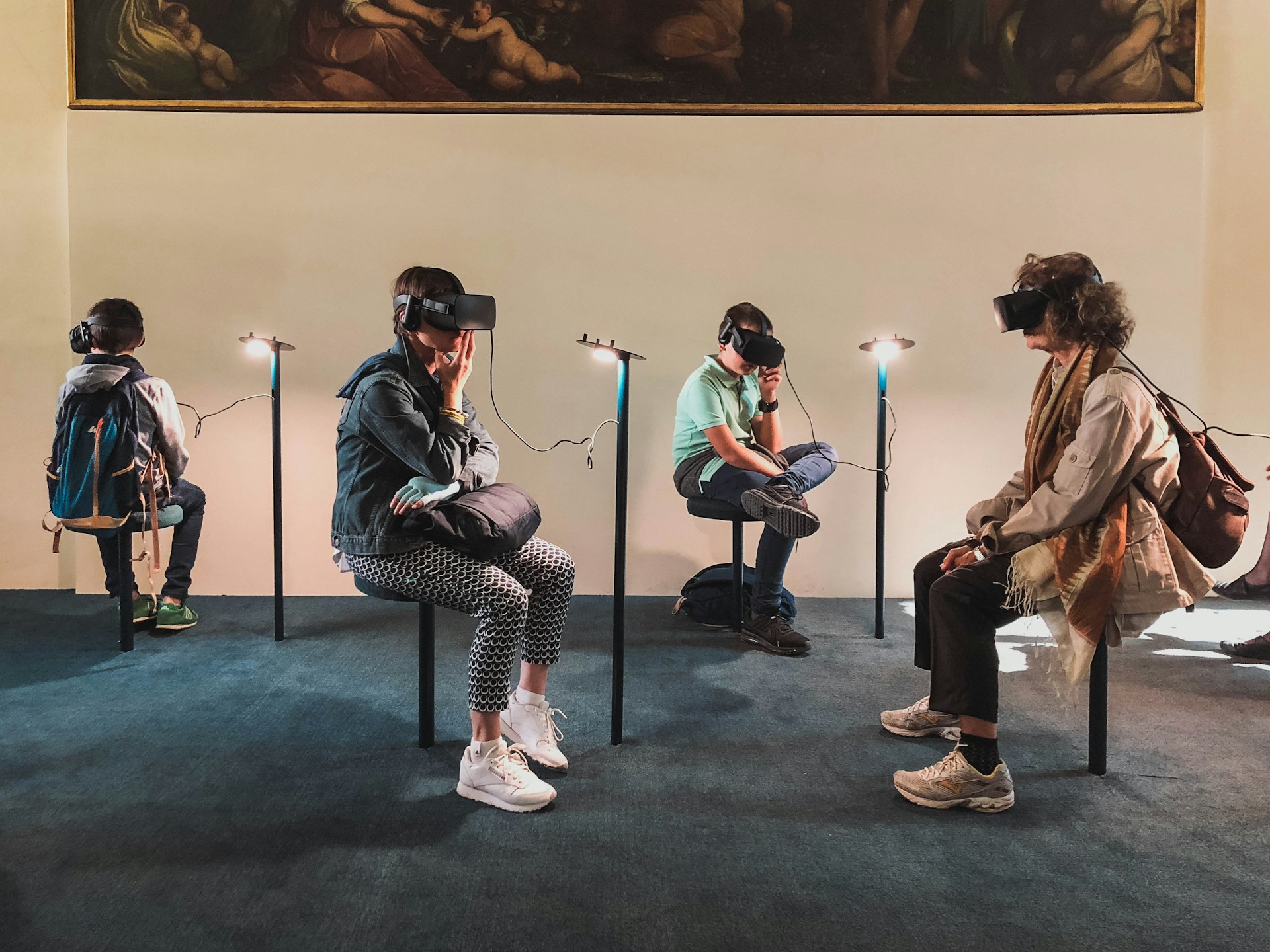
Getting started with virtual reality is an exciting step into immersive digital technology that allows users to interact with computer-generated environments in ways that traditional screens cannot provide. Virtual reality (VR) creates a simulated world where users can explore spaces, interact with objects, and experience situations that feel highly realistic.
When someone starts using virtual reality, they typically use a VR headset that displays a three-dimensional environment directly in front of their eyes. The headset contains small screens and sensors that respond to head movements. When the user looks around, the virtual environment moves naturally with them, creating the feeling of being inside the digital space.
Getting started with virtual reality involves more than simply wearing a headset. Many systems also include motion sensors and handheld controllers that allow users to interact with the environment. With these tools, people can pick up virtual objects, navigate spaces, and perform activities that simulate real-world experiences.
Virtual reality technology is now used in many areas, including education, healthcare, design, engineering, and entertainment. Students can explore historical locations, medical professionals can practice procedures, and designers can examine digital models in immersive environments. Understanding these possibilities is an important part of getting started with virtual reality because it shows how the technology can support learning and creativity.
As VR technology continues to develop, it is becoming more accessible for beginners who want to explore immersive experiences from their homes or workplaces.
Choosing Equipment When Getting Started with Virtual Reality
Selecting suitable equipment is an essential step when getting started with virtual reality. Beginners often encounter several types of VR systems, and understanding how they work helps users choose the most appropriate device.
A common choice for beginners is a standalone VR headset. These devices operate independently and do not require an external computer or gaming console. Because they include built-in processors and sensors, users can begin getting started with virtual reality soon after setting up the device.
Another option is a computer-powered VR system. These headsets connect to a powerful computer that processes graphics and simulations. While these systems often provide highly detailed visuals and advanced performance, they may require additional hardware and setup.
Some VR systems are also designed to work with gaming consoles. These systems are typically used for immersive games, but they may also support educational and creative applications.
When getting started with virtual reality, it is also important to consider accessories that enhance the experience. Controllers allow users to interact with objects and environments, while tracking sensors monitor body movement. Comfortable head straps and protective lens covers can improve usability during longer sessions.
Choosing appropriate equipment ensures that beginners can explore virtual environments smoothly while learning how the technology works.
Preparing Your Space for Getting Started with Virtual Reality
Before fully getting started with virtual reality, users should prepare a suitable environment for safe and comfortable experiences. Because VR involves physical movement and limited awareness of the real surroundings, preparing the space is an important safety measure.
The first step is selecting an open area where movement is possible without obstacles. Furniture, fragile items, and cables should be removed from the immediate space. This helps prevent accidental contact with objects while immersed in a virtual environment.
Many VR systems include a boundary feature that allows users to define the safe area in which they can move. During the process of getting started with virtual reality, users can mark the edges of their play space. If they approach the boundary during an experience, the system will display a visual warning to prevent collisions.
Adjusting the headset correctly is another important preparation step. The headset should sit comfortably on the head while maintaining clear visual alignment. Proper adjustments improve image clarity and reduce discomfort during extended sessions.
Controllers and sensors should also be calibrated according to the instructions provided with the device. Accurate calibration ensures that the system correctly interprets movements and interactions inside the virtual environment.
Taking time to prepare the physical space and equipment makes getting started with virtual reality safer and more enjoyable.
Exploring Experiences When Getting Started with Virtual Reality
After the equipment is set up and the environment is prepared, beginners can begin exploring the many experiences available when getting started with virtual reality. VR technology offers far more than simple entertainment, and exploring different applications helps users understand its full potential.
Educational experiences are among the most popular VR applications. Learners can explore natural environments, examine scientific models, and travel through historical locations without leaving their physical space. These immersive experiences help people understand complex subjects more effectively.
Creative professionals also benefit from getting started with virtual reality. Artists and designers can create digital sculptures, paint in three-dimensional spaces, and experiment with ideas using immersive tools. This approach allows them to visualize projects in ways that traditional design software may not offer.
Virtual reality is also widely used in professional training environments. Medical students can practice surgical techniques in simulated operating rooms, engineers can inspect digital prototypes, and safety trainees can rehearse emergency situations in controlled environments.
Wellness and fitness experiences are another growing area within VR. Guided exercise sessions, meditation environments, and interactive workouts allow users to combine physical activity with immersive digital surroundings.
Exploring a variety of experiences helps beginners feel more comfortable as they get started with virtual reality and shows how the technology can support different interests and goals.
Practical Advice for Getting Started with Virtual Reality
Beginners often benefit from a few practical habits that make getting started with virtual reality easier and more comfortable. Virtual environments can feel intense during early use, so gradual adaptation helps users enjoy the technology safely.
Starting with shorter sessions allows the body and eyes to adjust to the immersive visuals. As users become more comfortable, they can slowly extend the length of their VR sessions.
Taking regular breaks is also helpful. Resting between sessions reduces eye strain and allows users to maintain focus during longer experiences.
Proper headset adjustment is another important practice when getting started with virtual reality. Ensuring that the lenses align with the eyes and that the straps distribute weight evenly improves comfort and visual clarity.
Users should also remain aware of their physical surroundings. Although VR creates an immersive environment, remembering the boundaries of the real space helps prevent accidents.
Exploring beginner-friendly tutorials can also help new users understand how to navigate menus, interact with objects, and control movement in virtual environments.
With practice and patience, getting started with virtual reality becomes an enjoyable and rewarding experience.
The Future of Getting Started with Virtual Reality
The journey of getting started with virtual reality is only the beginning of exploring immersive digital technology. As advancements continue in hardware design, motion tracking, and graphics processing, VR experiences are becoming more realistic and widely accessible.
Organizations around the world are investing in VR applications for training, education, and remote collaboration. These developments are expanding the role of virtual reality in everyday activities.
For beginners who are curious about immersive technology, learning the basics of getting started with virtual reality opens the door to innovative digital experiences. With the right equipment, proper preparation, and a willingness to explore, users can enter a world where digital environments feel remarkably real.
As the technology continues to evolve, getting started with virtual reality will become even more accessible, allowing more people to discover the possibilities of immersive digital exploration.