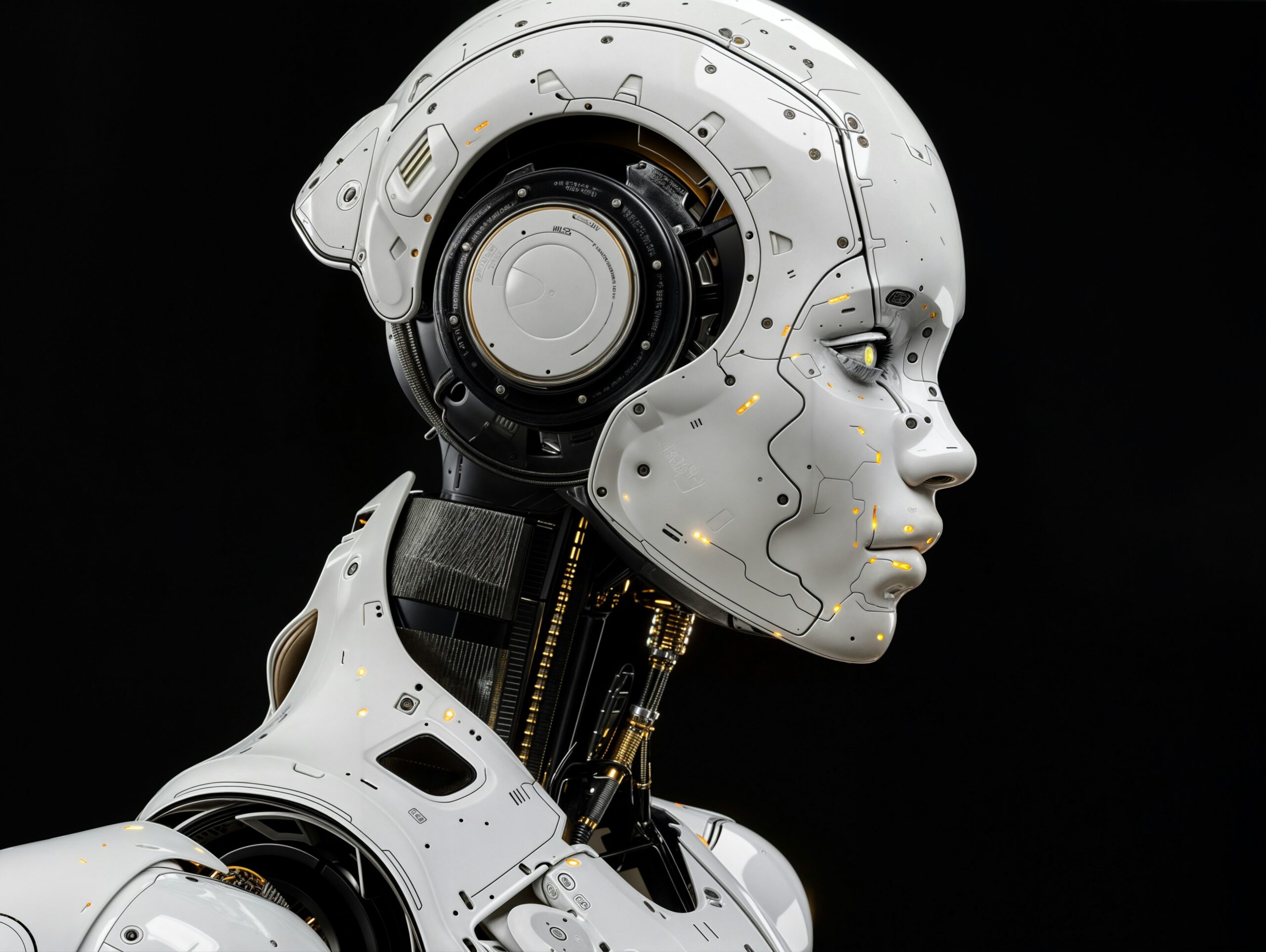
Businesses across industries are navigating a period of rapid transformation where technology continues to redefine how work gets done. Among these advancements, Intelligent Robotics stands out as one of the most influential drivers of change. It is no longer limited to manufacturing floors or specialized environments.
As markets grow more competitive, organizations that adopt intelligent robotics early position themselves for sustainable success. In contrast, those that delay adoption risk inefficiencies, rising operational costs, and reduced market relevance. Therefore, business leaders must develop a deep understanding of how robotics functions, where it delivers value, and how it aligns with broader digital transformation goals.
The Expanding Role of Automation in Modern Enterprises
Automation has evolved far beyond handling simple repetitive tasks. Today, intelligent robotics manages complex workflows that require precision, adaptability, and consistency. These systems can coordinate across departments, streamline processes, and reduce dependency on manual intervention. As a result, businesses experience fewer disruptions and more predictable outcomes.
In addition, automation enables organizations to respond quickly to changing market conditions. When demand shifts or supply chains face disruption, robotics systems can adjust operations in real time. This level of flexibility strengthens business continuity and ensures that companies remain agile even in uncertain environments.
Enhancing Workforce Capabilities Through Human Robot Collaboration
A common misconception is that robotics replaces human workers. In reality, intelligent robotics enhances workforce capabilities by supporting employees rather than displacing them. Workers can dedicate more time to high-value activities such as innovation, strategic planning, and customer engagement, while robots handle repetitive and physically demanding tasks.
Furthermore, this collaboration improves workplace safety and reduces fatigue. Robots can operate in hazardous environments or perform tasks that require extreme precision, which lowers the risk of human error and injury. As a result, organizations create a more balanced and efficient work environment where both humans and machines contribute to success.
Deep Integration with Artificial Intelligence and Data Systems
The real power of intelligent robotics emerges through its integration with artificial intelligence and advanced data systems. AI allows robots to analyze vast amounts of information, recognize patterns, and make informed decisions without constant human input. As a result, businesses gain access to real-time insights that improve operational accuracy.
Moreover, AI-driven robotics introduces predictive and adaptive capabilities.
Systems can automatically forecast maintenance needs, identify inefficiencies, and optimize performance. This predictive intelligence reduces downtime and enhances resource allocation. At the same time, integration with cloud platforms and IoT devices enables seamless communication across systems, creating a fully connected digital ecosystem that drives smarter business operations.
Financial Impact and Long Term Return on Investment
From a financial perspective, intelligent robotics offers significant long-term value. Although the initial investment may require careful planning, the return on investment becomes evident over time. Businesses reduce labor costs, minimize waste, and improve operational efficiency, thereby increasing profitability.
In addition, robotics increases production capacity without requiring proportional increases in resources. Since robots can operate continuously, businesses achieve greater output levels and faster turnaround times. Over the long term, these advantages contribute to stronger financial stability and improved competitive positioning.
Transforming Customer Experience in the Digital Age
Customer expectations continue to rise as digital experiences become more personalized and immediate. Intelligent robotics plays a critical role in meeting these expectations by enabling faster, more consistent, and highly tailored interactions. Automated systems can handle customer inquiries, process requests, and deliver services with minimal delay.
Companies can anticipate needs, recommend relevant products, and create seamless user experiences across channels. This level of personalization strengthens customer satisfaction and builds lasting loyalty. As competition intensifies, businesses that leverage robotics to enhance customer experience gain a clear advantage in the marketplace.
Overcoming Implementation Challenges and Barriers
Despite its many benefits, implementing intelligent robotics comes with challenges. Organizations must address technical, operational, and cultural barriers to ensure successful adoption. Integration with existing systems can be complex, especially for businesses with legacy infrastructure.
In addition, cybersecurity becomes a critical concern as connected systems increase exposure to potential threats. Companies must invest in robust security measures to protect sensitive data and maintain operational integrity. Another important factor is workforce readiness. Employees need proper training and support to adapt to new technologies and workflows.
Ethical Responsibility and Trust in Intelligent Systems
As intelligent robotics becomes more deeply embedded in business operations, ethical considerations take on greater importance. Companies must ensure that their systems operate transparently and fairly, especially when decisions impact employees or customers.
In addition, responsible use of robotics involves maintaining accountability and avoiding unintended consequences. Businesses should establish clear governance frameworks to guide the development, deployment, and monitoring of technology. By prioritizing ethical practices, organizations build trust with stakeholders and strengthen their reputation in an increasingly technology-driven world.
Building a Strategy for Robotics Adoption
To fully benefit from advanced robotics, businesses must approach adoption strategically. This involves identifying areas where robotics can deliver the most value and aligning technology investments with overall business objectives.
Companies should also focus on scalability, ensuring that systems can grow alongside the organization. Collaboration with technology partners and continuous evaluation of performance metrics will help refine strategies over time. By taking a proactive and structured approach, businesses can maximize the impact of robotics and achieve long-term success.