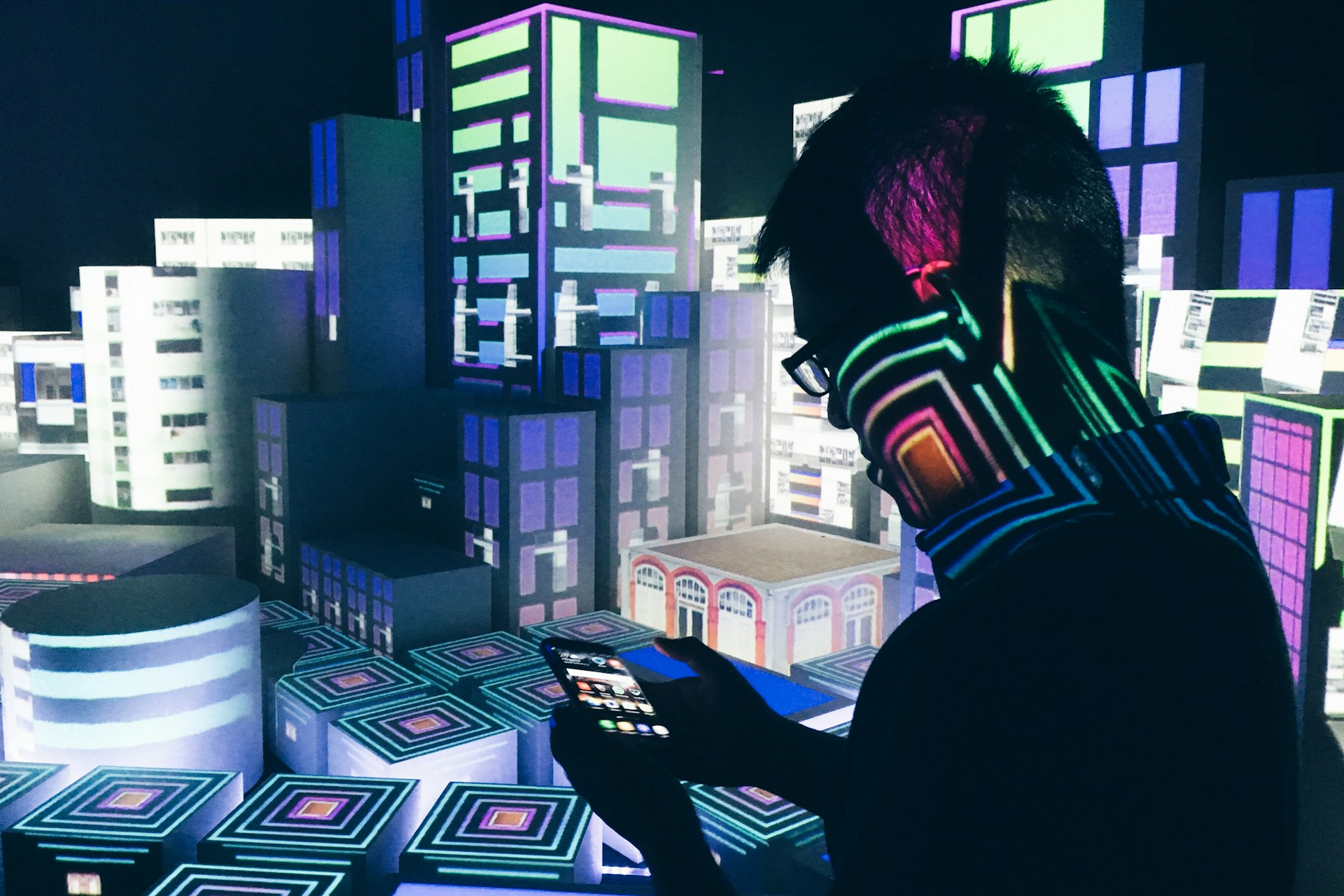
The spatial computing user experience is reshaping how people engage with digital systems by merging the physical and virtual worlds into a unified environment. Instead of relying on flat screens and traditional input methods, users can now interact with digital content through movement, gestures, voice, and spatial awareness. This transformation is powered by technologies such as augmented reality, virtual reality, mixed reality, and advanced sensors that interpret human behavior in real time.
The significance of spatial computing user experience lies in its ability to create interactions that feel natural and intuitive. Users no longer need to learn complex interfaces because the technology adapts to human behavior rather than the other way around. This shift is making digital experiences more accessible, inclusive, and engaging across different industries. As spatial computing continues to evolve, it is becoming a central element in designing meaningful and human-centered digital interactions.
Spatial Computing User Experience and Immersive Interaction
One of the most powerful aspects of spatial computing user experience is its ability to create immersive environments that enhance engagement. Unlike traditional digital experiences confined to screens, spatial computing allows users to step into digital spaces and interact with content as if it were part of their physical surroundings. This sense of presence transforms passive consumption into active participation.
In immersive environments, users can manipulate objects, explore virtual landscapes, and interact with digital elements in a three-dimensional space. This level of interaction improves understanding and retention, particularly in areas such as education, training, and simulation. For example, medical professionals can practice complex procedures in virtual environments, while students can explore historical sites or scientific concepts in a fully interactive way.
Spatial computing user experience also enhances emotional connection by making interactions feel more real. The ability to see, hear, and move within a digital environment creates a deeper level of engagement that traditional interfaces cannot achieve. This emotional connection is particularly valuable in storytelling, entertainment, and brand experiences, where user engagement is critical.
Spatial Computing User Experience in Human Communication
The spatial computing user experience is not only transforming how people interact with technology but also how they communicate with one another. By enabling shared virtual spaces, it allows individuals to connect and collaborate in ways that go beyond traditional communication tools. Instead of relying on text or video calls, users can meet in immersive environments where they can interact naturally.
In these environments, participants can use avatars, gestures, and spatial positioning to communicate more effectively. This creates a sense of presence and connection that is often missing in conventional digital communication. Teams can collaborate on projects, visualize ideas in three dimensions, and interact with shared content in real time, regardless of their physical location.
This evolution in communication is particularly important in a world where remote work and global collaboration are becoming more common. Spatial computing user experience provides a more engaging and productive way to connect, making interactions feel more personal and meaningful. It also opens new opportunities for social interaction, where people can gather in virtual spaces for events, entertainment, and shared experiences.
Spatial Computing User Experience and Future Innovation
The future of spatial computing user experience is filled with possibilities as technology continues to advance. One of the most exciting developments is the emergence of wearable devices that integrate seamlessly into everyday life. These devices will allow users to access digital information without disrupting their surroundings, creating a more natural and continuous interaction with technology.
Artificial intelligence is also playing a significant role in enhancing the spatial computing user experience. By analyzing user behavior and context, intelligent systems can deliver personalized and adaptive experiences. This means that digital environments can respond to individual preferences, making interactions more relevant and efficient.
Another important trend is the development of interconnected digital ecosystems where physical and virtual spaces are seamlessly integrated. In this environment, users can move through the real world while interacting with digital content that is anchored to specific locations. This concept is transforming industries such as retail, where customers can visualize products in their own space, and navigation, where directions are overlaid onto real-world environments.
As these innovations continue to evolve, the spatial computing user experience will become an integral part of everyday life. It will change how people learn, work, shop, and communicate, creating a more connected and interactive world.
Spatial Computing User Experience and Design Transformation
Designing for spatial computing user experience requires a fundamental shift in how user interfaces are created. Traditional design principles that focus on two-dimensional layouts are no longer sufficient. Instead, designers must consider depth, movement, and spatial relationships when creating digital experiences.
In spatial environments, the placement of objects, the scale of elements, and the way users move through space all play a critical role in shaping the experience. Designers must consider how users interact with digital content in physical contexts, ensuring those interactions feel natural and intuitive. This requires a deep understanding of human behavior and perception.
Accessibility is also an important consideration in spatial computing user experience. Designers must ensure that experiences are inclusive and usable by people with different abilities. This includes providing alternative interaction methods, such as voice commands or gesture-based controls, to accommodate a wide range of users.
The transformation of design practices is driving innovation and pushing the boundaries of what is possible in digital interaction. As designers continue to explore new approaches, the spatial computing user experience will become more refined and impactful.
Spatial Computing User Experience as a New Standard
Spatial computing user experience is redefining the relationship between humans and technology by creating more immersive, intuitive, and meaningful interactions. By blending the physical and digital worlds, it is transforming how people engage with information, communicate with each other, and navigate their environment.
As this technology continues to advance, it will play a central role in shaping the future of digital interaction. From enhancing productivity and collaboration to creating new forms of entertainment and education, spatial computing’s impact on user experience is far-reaching. It represents a shift toward a more human-centered approach to technology, where experiences are designed to align with natural behavior and real-world context.
The ongoing evolution of spatial computing user experience signals a new era in digital innovation. As industries embrace this transformation, it will continue to unlock new opportunities and redefine what is possible in how people interact with technology and with each other.